




Cleaning Up
Safety & Storage for Paint
Cleaning
To avoid cleaning out brushes and rollers in the middle of a job using alkyd paints, wrap them in aluminum foil (to prevent the solvent from evaporating) overnight.
When you've finished painting
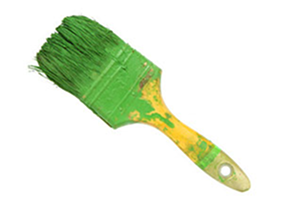
Brushes should be stored flat or on their handles. Standing them on their ends will bend the bristles and spoil them.
- To reseal a can of paint so that it is airtight, wipe the rim of the can clean, replace the lid, place a block of wood over the top and tap it down with a hammer. Then quickly invert the securely lidded can to form an airtight seal which will help prevent skinning.
Handling paint and chemicals
- Only buy as much paint as you need for the job in hand. If you do need to store it, out of the reach of children.
- Don't throw away your white spirit after use. Allow it to stand and the sediment will fall to the bottom. Then pour off the clean spirit and re-use it.
- Don't pour paint or white spirit down the drain as the chemicals they contain can disperse and contaminate the water supply.
Health and Safety
- Even though paint products are safe and easy to use these days, many contain chemicals that can be harmful if incorrectly used. A few simple precautions will ensure that good results are obtained safely.
- Always read the label and instructions for the use of paints, thinners and other decorating materials before you begin work.
- Wear gloves if you have sensitive skin and always wear suitable eye protection when decorating.
- Avoid the inhalation of dust. Wear a suitable face mask if dry sanding.When applying solvent-based paints you should use them in well ventilated areas. Ensure maximum ventilation during both application and drying. Do not use on large surface areas inside such as walls and ceilings (always use Water-Based paints for this), or in confined spaces.
- Special precautions should be taken during surface preparation of pre-1960s paint surfaces over wood and metal as they may contain harmful lead.
Filler shows through the paint
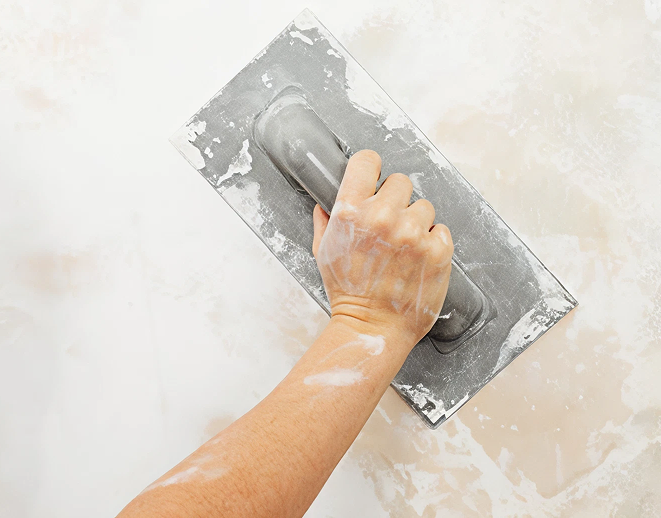
Make sure that all filled areas are rubbed down smooth and level. You will need to prime the filler before painting to prevent subsequent coats being absorbed more rapidly than on other areas. Use a coat of Dulux primer. Once this is dried, you can apply a full coat of any Dulux topcoat.
Flame-spread
Class A Vs. Class B
Alkyd and latex paints are not very flammable after they have dried. The flame-spread rating of a paint includes both the surface and the coating applied to it. A Class "A" rating is the lowest flammability rating and the flame spread of the surface and coating combined must be less than 25. This can be achieved with alkyd or latex paints applied to noncombustible surfaces such as concrete, drywall, and metal. For a Class "B" rating, the flame spread of the surface and coating combined is between 25 and 75. A Class A or Class B rating can only be achieved on wood by using a fire retardant paint.

Healthy & Safety
Threshold Limit Value
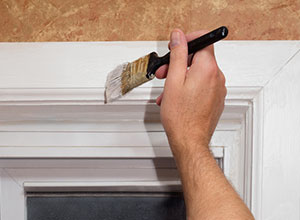
The Threshold Limit Value (TLV) is the safe exposure level when working with solvents and chemicals. The TLV for mineral spirits (paint thinner) is 100 parts per million(ppm). Measurements show that using a brush on trim, the concentration of solvent in the air will be about 30 ppm. Using a roller on walls and ceilings, the concentration increases to about 350 ppm — 3 1/2 times the safe level. Increasing the ventilation doesn't lower the concentrations, it just makes the paint dry faster. Use a filter mask for protection and change the cartridges often.

Epoxy Paints & Lacquers
Epoxy paints and lacquers must be used in areas where there is good ventilation. Besides the health issue, the solvents in these products are very flammable and there is a danger of fire or explosion if solvent concentrations get too high and there is a spark, pilot light, heater, or someone smoking a cigarette in the area.
Soak Those Rags
Rags that have been soaked in paint thinner or have been used during the application of wiping stains must be spread out to dry or soaked in water and put in a closed metal container. Solvent soaked rags improperly disposed of are a cause of SPONTANEOUS COMBUSTION AND FIRE.
.png)
How do I dispose of waste paint?
Waste paint can create problems if not disposed of correctly. The information on the back of the cans will help you to assess the right amount of paint for your job. If you have any usable surplus paint, offer it to friends, community groups who may be able to use it. Otherwise call your Local Authority for guidance, as some have special facilities for disposing of paint. Do not pour down drains or watercourses.


.jpeg)
.jpeg)